
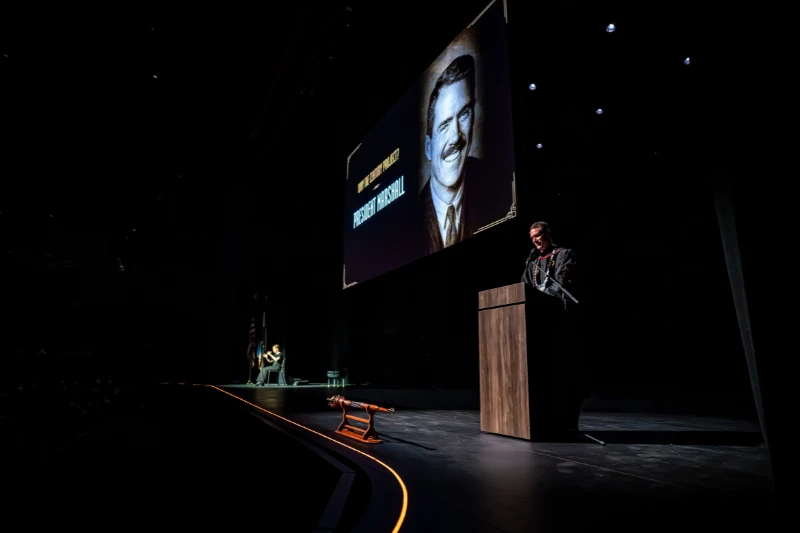
I remember the first time I heard about the 1970 Marshall University football team plane crash - it was one of those stories that just sticks with you, the kind that gives you chills even years later. The tragedy occurred on November 14, 1970, when Southern Airways Flight 932 crashed into a hillside just short of the runway in Huntington, West Virginia. All 75 people on board died instantly - 37 football players, 8 coaches, 25 boosters, and 5 crew members. What gets me every time I think about this story isn't just the scale of the tragedy, but how it completely devastated a small community where football wasn't just a sport - it was the heartbeat of the town.
The parallels between how communities rally around their sports teams then and now really struck me when I was watching a volleyball match recently. I was following the Philippine volleyball scene, specifically that Thursday match where Choco Mucho and Akari were both fighting to secure their semifinal spots. There's something about watching teams compete with everything on the line that reminds me of what Marshall lost that day. The 1970 Thundering Herd was coming home from a 17-14 loss to East Carolina University - a tough game, sure, but they were building toward something. They had young players developing, coaches with vision, and a community that believed in them. Much like how PLDT and Galeries Tower were fighting to extend their series to a decisive Game Three in those volleyball matches I watched, Marshall was in the middle of their own season, fighting for respect and better days ahead.
I've always been fascinated by how sports tragedies hit differently than other kinds of disasters. Maybe it's because sports represent hope and potential in such a pure form. When I think about those 37 Marshall players, I can't help but imagine what they might have become - not just as athletes, but as fathers, community leaders, and ordinary people with lives ahead of them. The youngest was just 18 - basically a kid with his whole life mapped out in front of him. The crash didn't just end football careers - it erased futures. The town of Huntington lost its sons, its heroes, its Friday night lights. The university considered shutting down the football program entirely, and honestly, who could blame them? How do you rebuild from something like that?
This is where the story takes what I consider its most remarkable turn. Against all logic and amidst overwhelming grief, Marshall decided to continue the football program. They hired a new coach, Jack Lengyel, who had the impossible task of building a team from scratch using mostly freshmen and players from other sports. I've read that they had only 28 players at their first spring practice - barely enough to field a proper team. The 1971 season became known as the "Young Thundering Herd," and they played with a spirit that transcended wins and losses. Their first home game after the crash, against Xavier University, ended with a last-second touchdown that gave Marshall a 15-13 victory. I like to imagine what that moment felt like in the stadium - not just excitement over a win, but collective healing, the beginning of a community learning to breathe again.
Watching modern sports teams fight through adversity always brings me back to Marshall's story. When I saw PLDT and Galeries Tower battling to keep their seasons alive in those volleyball matches, pushing for a Game Three when elimination loomed, I saw echoes of that same determination. Sports at their best aren't really about perfect records or flawless performances - they're about human resilience. The 1971 Marshall team finished with a 2-8 record, but honestly, those two victories meant more than any undefeated season could. They were playing for 75 people who couldn't be there, carrying memories that should have been too heavy for young shoulders.
What stays with me most about the Marshall story isn't the tragedy itself but how it transformed into something enduring. The 2006 film "We Are Marshall" brought the story to new generations, though no movie can truly capture the depth of that community's loss and recovery. The university eventually built a memorial fountain at the center of campus that stops running every November 14 in remembrance. I think what Marshall teaches us is that sports are never just about the games - they're about the people who play them, watch them, and invest their hopes in them. The legacy of those 75 lives continues every time a Marshall team takes the field, every time a community gathers to support their athletes, and every time teams like Choco Mucho and Akari fight for their semifinal dreams. The story reminds me why I love sports - not for the victories, but for the human spirit they reveal in our darkest and brightest moments alike.